For Charlie. For answers. For a future without DSRCT.
Charlie Hilton was just 16 years old when he lost his life to Desmoplastic Small Round Cell Tumor (DSRCT), an ultra-rare and aggressive form of cancer.
Charlie's Wish was established by his family and peers to honour his memory, raise awareness and support the continuing pursuit of answers for young people affected by rare sarcomas.
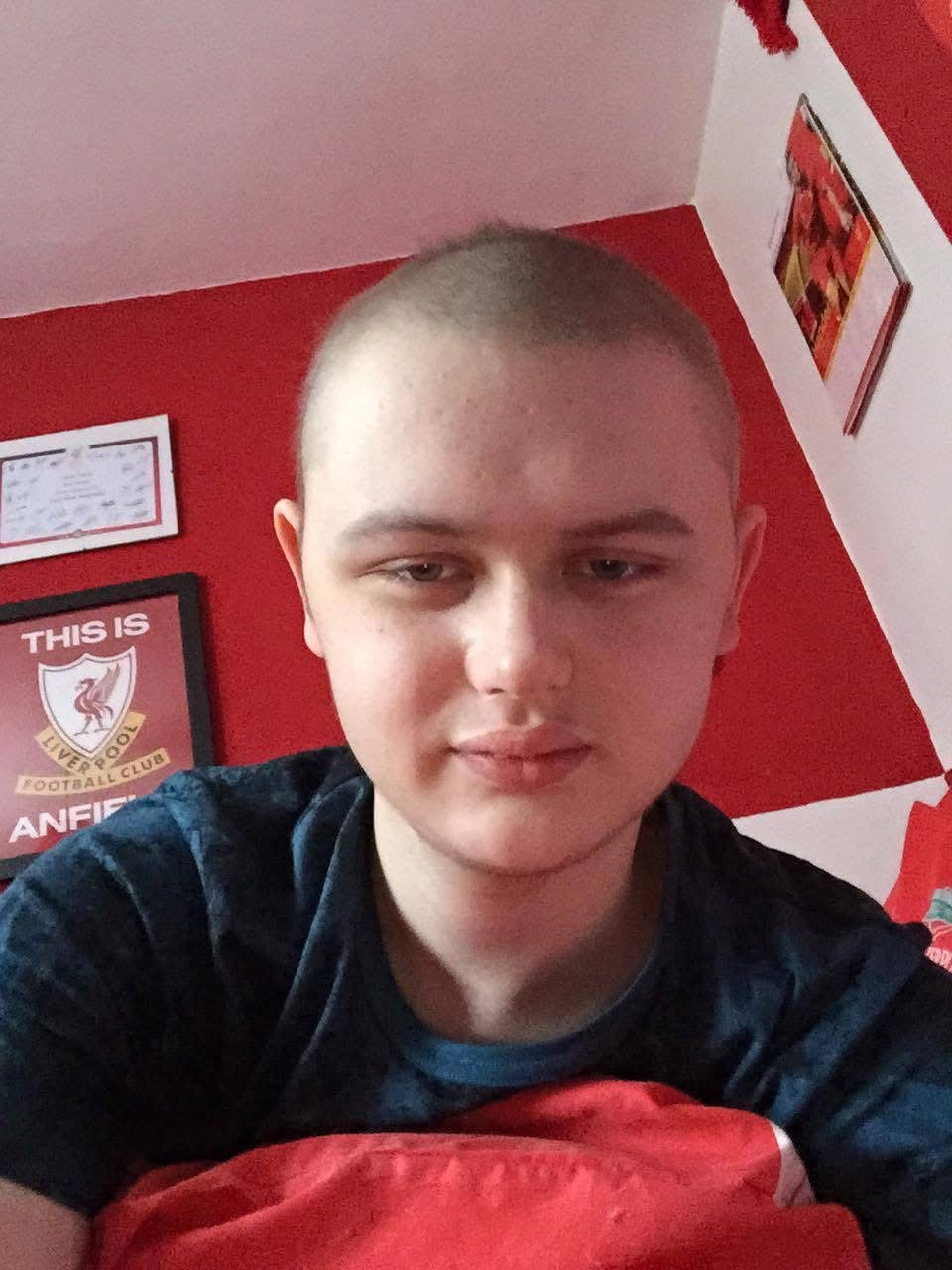
Charlie Hilton
1998—2015
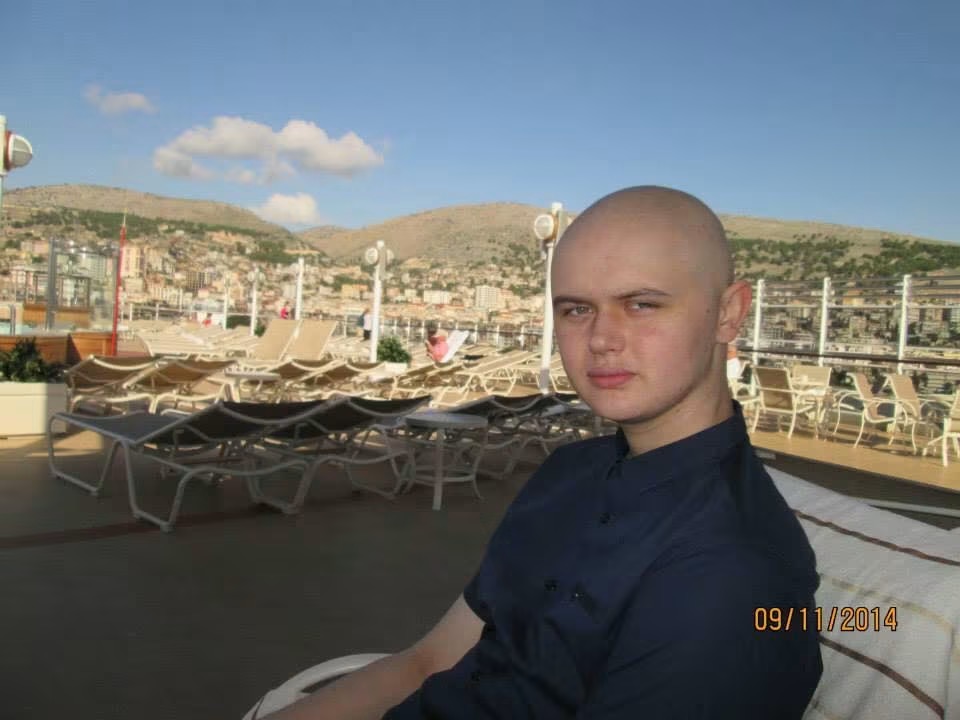
Charlie Hilton was a vibrant 16-year-old from Southwick, West Sussex.
A student at Shoreham Academy and an unwavering Liverpool Football Club supporter, Charlie's battle with Desmoplastic Small Round Cell Tumor (DSRCT) had a profound impact on his family, friends and local community.
Charlie passed away in 2015 at Chestnut Tree House children's hospice.
In his memory, Charlie's family and peers established Charlie's Wish.
The initiative grew from a determination to respond to the lack of awareness and dedicated clinical options surrounding the rare sarcomas that can affect teenagers and young adults.
Through community fundraising, challenges and public memorials, Charlie's Wish keeps Charlie's legacy connected to an active pursuit of better understanding, better treatment and ultimately a cure.
Remembering Charlie
More than a name behind a charity, Charlie was a son, friend, classmate and passionate Liverpool supporter whose memory continues to bring people together.
Understanding DSRCT
Desmoplastic Small Round Cell Tumor — DSRCT — is an ultra-rare, fast-growing soft-tissue sarcoma. The name itself describes some of the characteristics of the disease.
Desmoplastic — Scar Forming
DSRCT causes dense, fibrous, scar-like tissue to form around clusters of tumour cells. The source report describes this rigid tissue as creating a physical barrier that can reduce the penetration and effectiveness of traditional chemotherapy.
Small Round Cell
When viewed under clinical magnification, the cancer cells appear as primitive, tightly compressed groups of small, round cells.
Tumor
The term describes an abnormal and rapid overgrowth of cells which forms physical masses within tissue.
Young people are disproportionately affected.
DSRCT most frequently affects adolescents and young adults between approximately 10 and 30 years old, with a significantly higher prevalence in biological males.
It typically originates in the peritoneum, the membrane lining the internal abdominal wall.
Because the abdomen can accommodate significant growth before obvious outward signs develop, tumours may become large before they are detected.
Symptoms described in the source report include:
- Persistent abdominal swelling
- Localised abdominal pain
- Chronic constipation
- Chronic nausea
These symptoms can have many different causes and their presence does not mean somebody has DSRCT.
This website provides general information and awareness only and is not a substitute for professional medical advice. Anyone concerned about symptoms should consult a qualified healthcare professional.
An intensive, multi-stage approach
The source report describes DSRCT treatment as an intensive multi-modality approach because of the aggressive way the disease can spread throughout the peritoneal cavity.
Induction Chemotherapy
High-dose systemic chemotherapy is introduced to combat widespread microscopic disease and reduce the size of larger tumours.
Cytoreductive Surgery
An intricate surgical procedure aims to physically remove visible tumour deposits throughout the abdominal lining.
Adjuvant Radiation
High-energy external beam radiation is targeted at the abdominal cavity with the aim of destroying residual malignant cells and delaying recurrence.
Keeping Charlie's legacy moving forward
Charlie's Wish transforms remembrance into action. Community fundraising supports work aimed at improving understanding of rare cancers affecting children, teenagers and young adults while keeping DSRCT and other rare sarcomas visible.
Research Grants
Funds are deployed through targeted scientific research grants, with oncology proposals assessed by the governing trustees.
Rare Sarcoma Research
Funded programmes focus on paediatric and young-adult soft-tissue sarcomas. Research priorities described in the source report include expanding clinical trials, identifying novel molecular targets and finding new treatment answers for DSRCT.
Community Awareness
A portion of local fundraising supports community awareness activity across West Sussex, helping increase understanding of the warning signs associated with rare cancers affecting young people.
Funding research. Building awareness. Searching for answers.
Fundraising through Charlie's Wish supports targeted research into paediatric and young-adult soft-tissue sarcomas and community awareness activity.
Targeted Research Grants
Supporting competitive scientific research.
DSRCT & Rare Sarcoma Research
Supporting work exploring clinical trials, molecular targets and treatment possibilities.
West Sussex Awareness
Supporting regional awareness of rare cancers affecting young people.
Looking for specialist DSRCT information?
Charlie's Wish does not provide individual medical advice. People seeking medical guidance or information about treatment for DSRCT should speak with qualified healthcare professionals and specialist sarcoma teams.
The source report specifically references specialist research institutions including:
These organisations are presented as external sources of specialist information. Charlie's Wish is not affiliated with, partnered with, funded by, or endorsed by NCI or MSKCC.
Upcoming Events
Charlie's Wish has always been powered by people coming together. From fundraising challenges to community events, every event helps keep Charlie's story alive while supporting the work of Charlie's Wish.
Help keep Charlie's Wish moving forward.
Through donations, fundraising, events and awareness, Charlie's family, friends and community continue to honour his memory while supporting the pursuit of better answers for DSRCT and other rare sarcomas affecting young people.